
 The agenda of the ACUUS-2020 Helsinki conference outlined issues related to sustainable urban development and the development of underground space in the world. The online event was broadcast on two threads, consisting of thematic sessions on issues: urban planning, architecture, and design, development of underground infrastructure, sustainability and ecology, risk emergence, the introduction of technical methods, innovation.
Annie Sinnemaki, Deputy Mayor of Helsinki for Urban Development, addressed the participants with welcoming words. One of the keynote speakers on the first day of the conference was Finnish mobile game developer Angry Birds, brand manager of Lightneer, an investor, entrepreneur, and founder of a development company for the tunnel project between Tallinn and Helsinki FinEst Peter Vesterbacka.
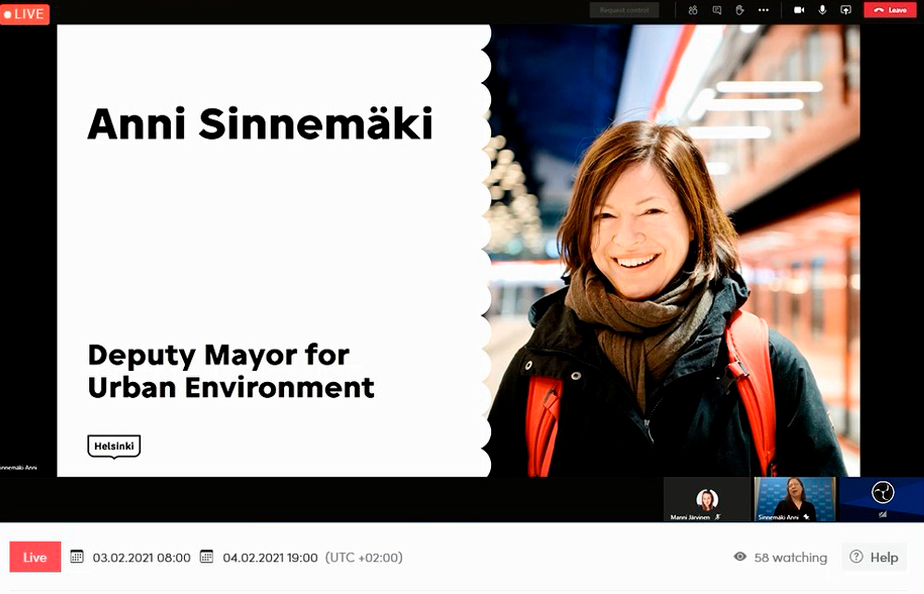
In total, about 187 participants from different countries of Asia, Europe and America were registered at the online event. The rich agenda and a solid line-up of participants allow us to talk about the conference as one of the most important, authoritative events in the world in the field of underground space use. Despite the importance and complexity of the conference theme, the organizers managed to create a friendly and welcoming atmosphere during the event.
Many speakers discussed the efficient use of transport systems and their operation during the pandemic (COVID-19), as well as the use and production of geothermal energy. Russian specialists made presentations: Mikhail Lebedev Research OJSC “NIPII “Lenmetrogiprotrans”, Dr Nikolai Bobylev Saint Petersburg State University, Prof Dmitry Koniukhov JSC Mosinzhproekt, Dr Aleksei Arkhipov “Geodiagnostika”, Prof Ilizar Mirsayapov Kazan State University of Architecture and Engineering. Congratulations to our colleagues on the successful presentation of their reports and wish them further success!
The next ACUUS conference is scheduled to be held in a face-to-face format in 2023. The venue is Singapore, Marina Bay Sands Hotel.


Author: Zbynek Burival/unsplash
The construction of the storage spaces for oil is a necessary measure to cover seasonal and daily variations, technological needs, and export supply. For crisis mitigation, the oil producers aim to stock the storage reserve. The estimated amount stated in the document equals to 103.5, 141, 178.5, 218 billion Russian rubles respectfully for every storage volume. The proposed funding suggests the state budget and private investors.
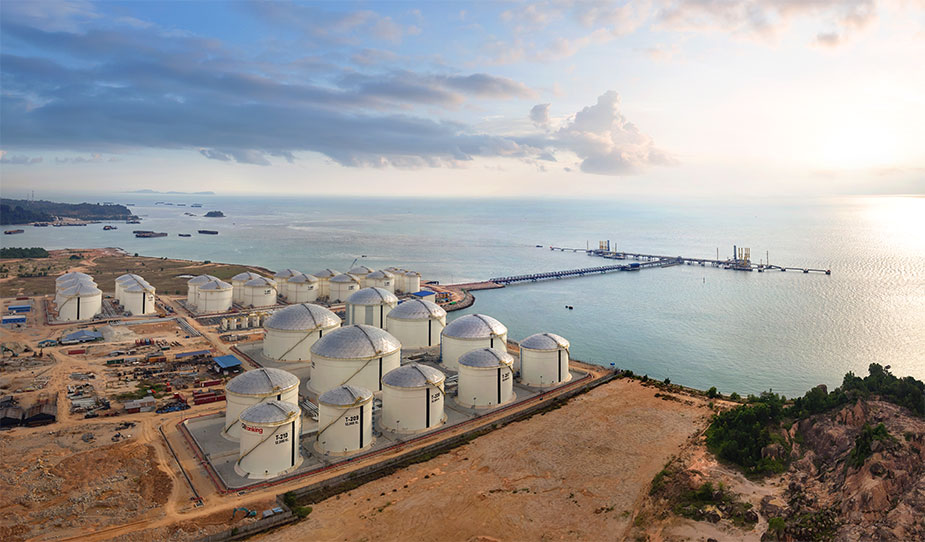
Oils storages in Indonesia. Source: oiltanking.com
World practice of oil storage construction has been continuing since the end of WWII. By the 2000-es 23 countries had had the underground storage spaces for oil, gas, gasoline, helium, etc. In 2005, the total volume of the underground storage comprised:
Today the total volume of such storages abroad exceeds 300 million cubic metres. In Russia, the storage spaces constructed on the ground and the tubes of Transneft keep the largest amount of oil.
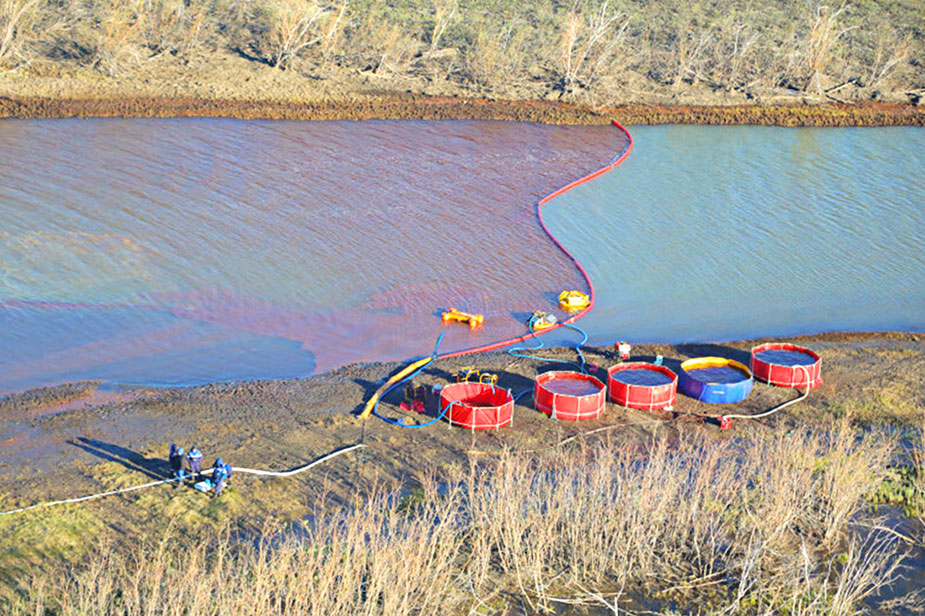
Norilsk oil leak. Source: transneft.ru
Certainly, the underground oil storages are safer and ecologically friendly than others. Recent ecological disaster in Krasnoyarsk reminded us about the necessity of safety measures. The storage space damages caused the leak of 22 thousand cubic meters of oil. The nearest river suffered. And unfortunately, it is not a very rare case. Natural and artificial caverns can be used for different purposes. For example, natural is more suitable for gas, while artificial made in salt deposits are used for oil.
The document indicates about 12 suitable places for artificial oil storages in different regions. The construction of each storage may take about 10 years. Also, besides being environmentally safe, underground storages have more economic value and efficiency.
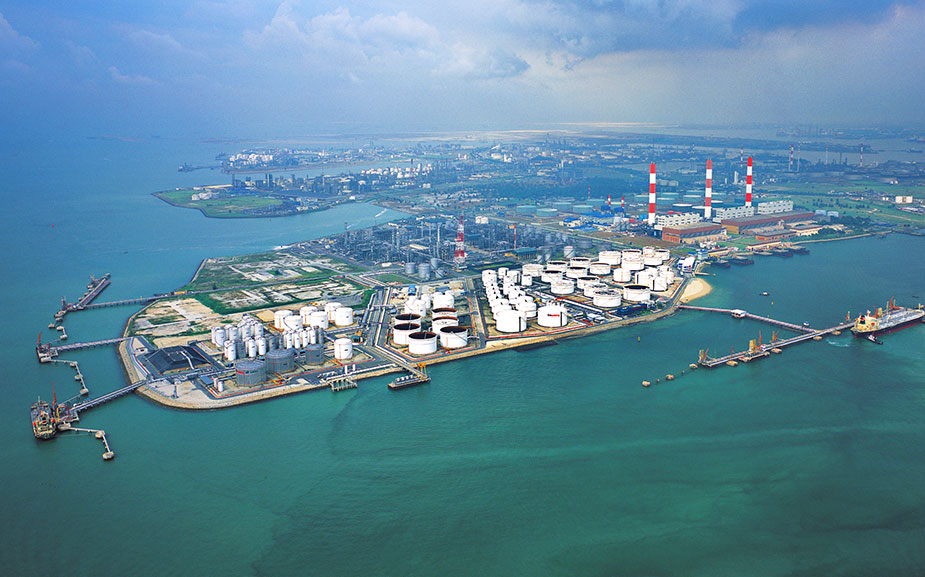
Singapore oil storage. Source: oiltanking.com
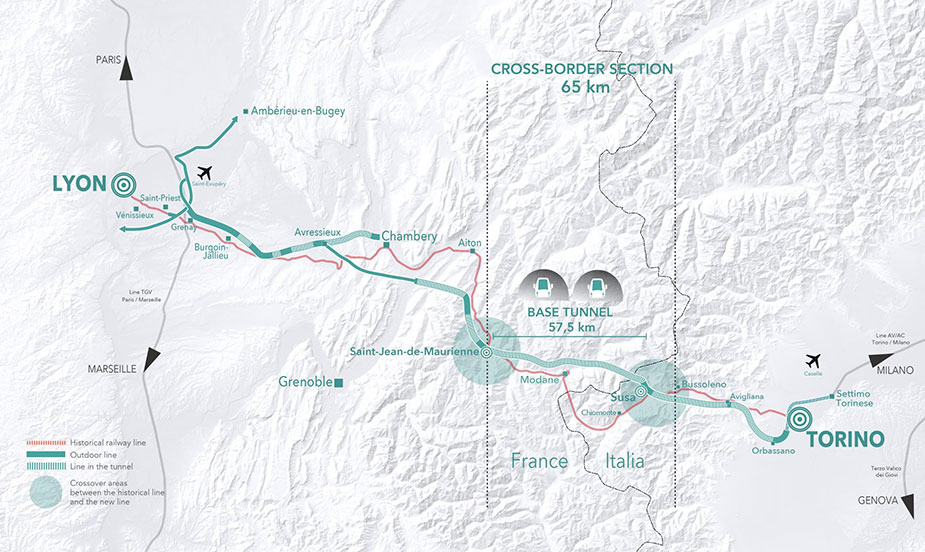
Source: telt-sas.com
The TBM Federica has built the first 9 km of the tunnel. The vent shafts were constructed. The total length of the rail connection will be 270 km, with 70% of it being on the French side and 30% on Italian land.
According to the project, the end stations Saint-Jean de Maurienne (France) and Susa (Italy) will become a large hub. The railroad near the border is a part of important trans-European link TEN-T T, connecting 7 major transport links of EU.
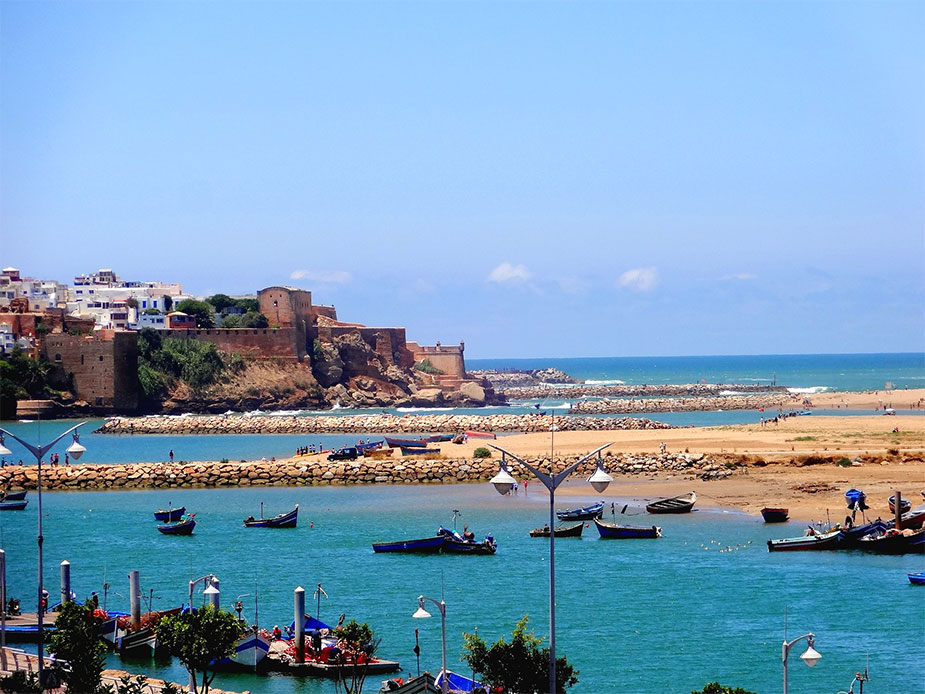
Rabat, Morocco. Author: Asuz/Pixabay
The tunnel will reduce the traffic in the area of the famous square Bab el Had (The Iron Gate) leading to medina – the historical part of the city. It is planned to solve the transportation issues for local citizens and tourists. Also, the project includes underground parking for 500 vehicles.
The project is a part of the developing program with a total cost of $154.4 million, started in 2015 by the Societe Rabat Region Amenagements Group.
The program is designed for improving the transport situations and affordance of the local services while preserving the greenery and environment. The document serves for the development of the economy of Rabat and its transportation.
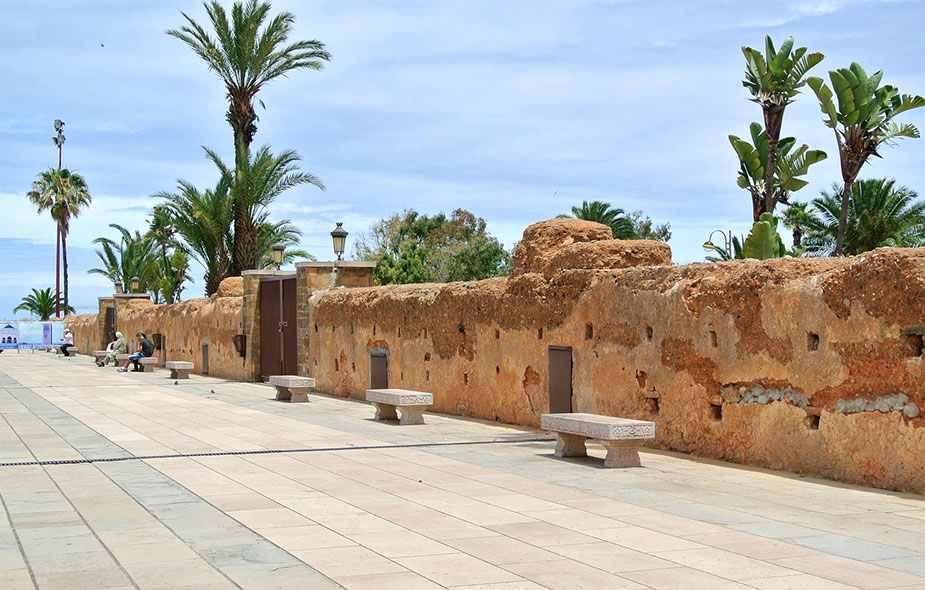
Rabat, Morocco. Author: Larsonb/Pixabay
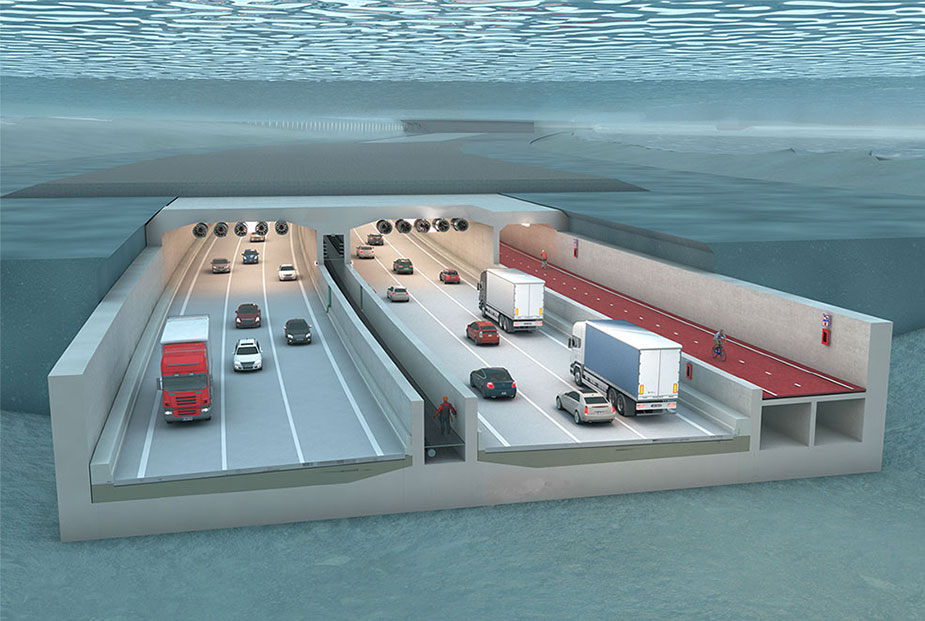
Tunnel under the Schelde river. Source: oosterweelverbinding.be
Association of Belgic contractors Tijdelijke Handelsvennootschap Combinatie Oosterweeltunnel (THV COTU) started the preparation works and will be ready to start construction in Autumn 2021. The road tunnel will be 1.8 km long and will cross the Schelde river. It will become a part of the 15 km long section of the Oosterweel Link, which will complete the ring-road at the North of the city. The tunnel will have two lanes, and it will also include lanes for bicycles and pedestrians.
The contract value is estimated at $570 million. The sunken tubes tunnel will have 8 sections, each weighting 60 thousand tons. The Antwerp ring-road is the largest infrastructure project of Flanders.
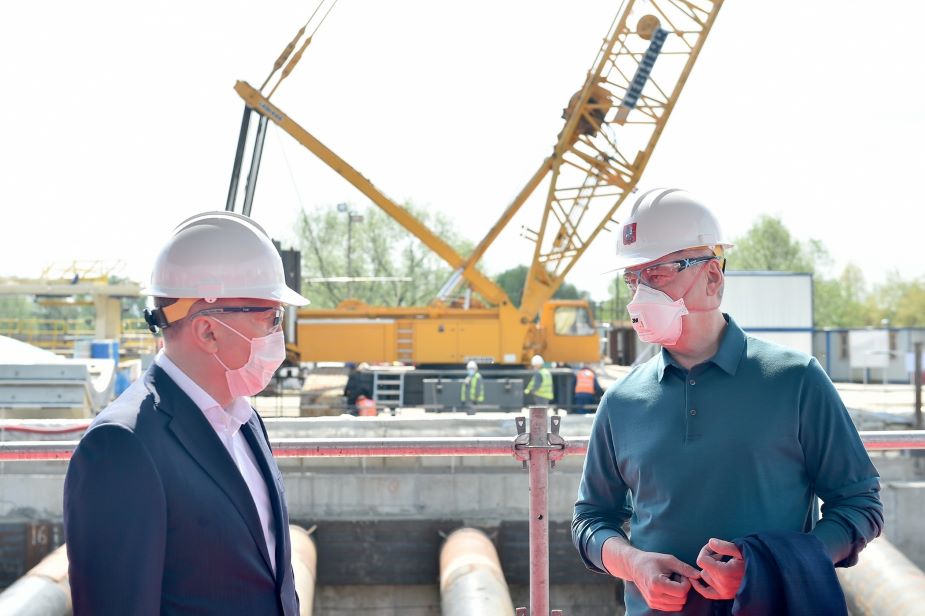
Mayor Sergey Sobyanin at the construction site of the metro station Klenovy Bulvar. Source: stroi.mos.ru
At present, the Eastern part of the Large Circle Line with a length of 11 km is under construction. The majority of the tunnels are double-track tunnels and will be constructed with the TMB with a diameter of more than 10 m. The tunneling of 42 km is planned for this year, and 14 km have already been completed. The operation will start next year for 25 km long in total sections.
At the beginning of May of 2020, the tunneling of the double-track tunnel began from the station Klenovy Bulvar to Kashirskaya. The works implemented by the China-made TBM Pobeda will have been carried out by the end of October 2020.
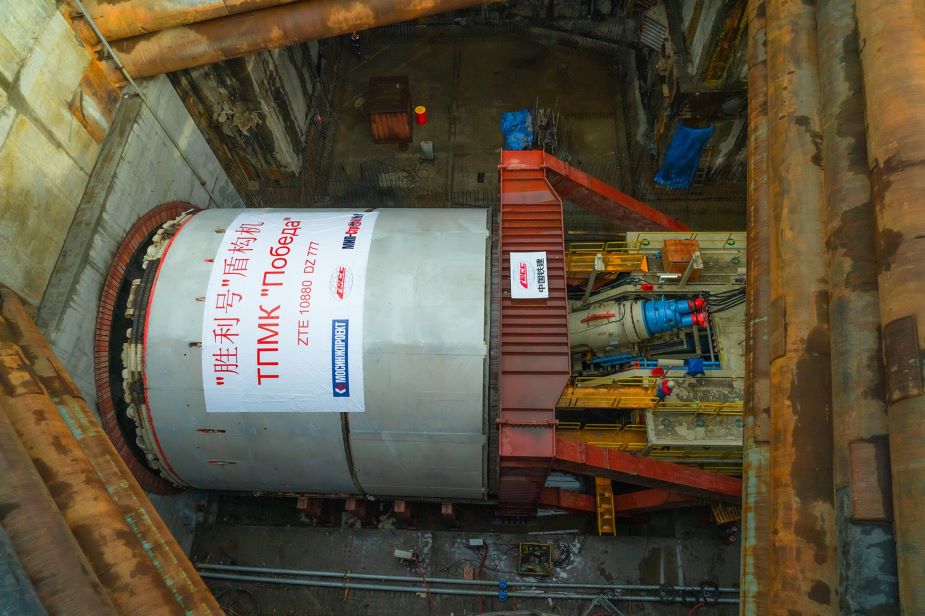
Launching TBM Pobeda. Source: stroi.mos.ru
The construction of the Eastern section of the Large Circle Line with future four stations Klenpvy Bulvar, Nagatinsky Zaton, Pechatniki, and Tekstilshiki began in 2017. The length of the double-track section is 11.4 km.
The design of the station Klenovy Bulvar was planned with the matter of the station Kolomenskoe being close. The chosen route puts Klenovy Bulvar outside of the local park, and the tunnels don’t come close to the historical objects.
The next section from Kashirskaya station to Nizegorodskaya is planned to be completed by 2022. Since 2011, Moscow has received 301.4 km of the metro lines, 145 stations have opened.
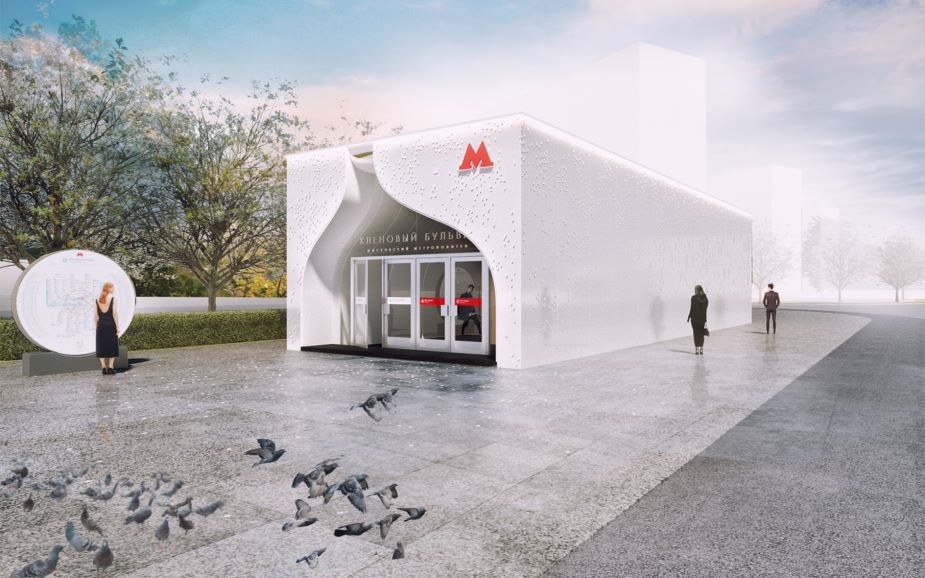
The hall of the Klenovy Bulvar station. Architectural bureau ARCHSLON. Source: stroi.mos.ru
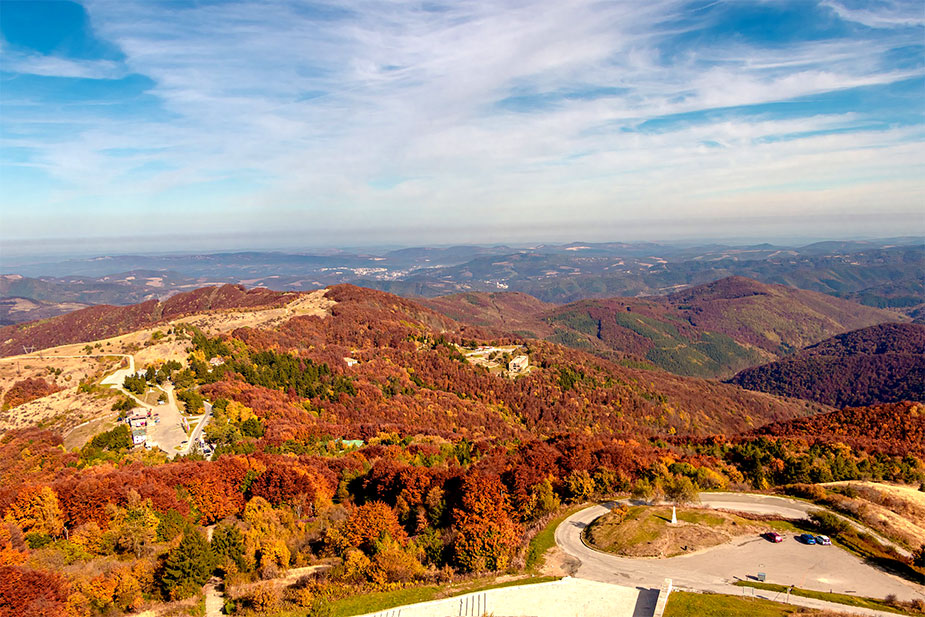
Shipka, Bulgaria. Author: Aelf4e/Pixabay
According to the project, the new road 10.5 km long will be constructed in the central part of Bulgaria with five tunnels with a total length of 4 km. The tunnel through Shipka will be the largest of them. Its future length is 3.2 km.
The tunnel will provide a fast connection between the Southern and the Northern parts of the country. The Turkish companies Duygu Muhendislik, and Kolin compete for the contract. Also, the Chinese company China Communication Construction Company and several associations from Bulgaria are interested. The construction is expected to be completed in 3.5 years.
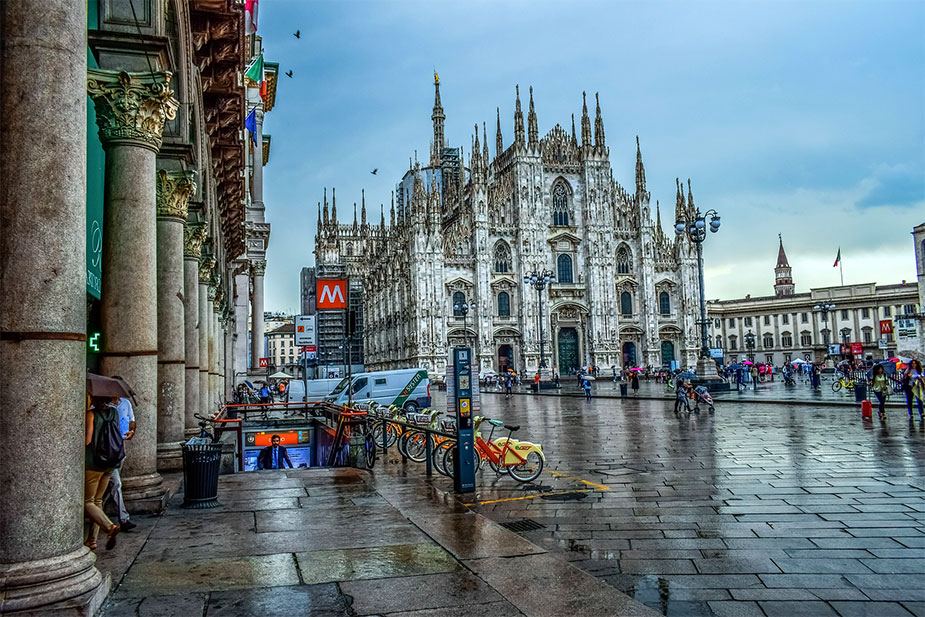
Milan. Author: dimitrisvetsikas1969/Pixabay.com
Salini Impregilo, the compnay involved in the civil construction, and Astaldi, the international construction group, are implementing the contract. The exceptional security measures are undertaken at the construction site as an emergency response to prevent COVID-19 spread. The construction is relaunched at all three active sections.
Line M4 is a new automatic line. It was planned to be opened in 2015, but due to the lack of funding, the completion of the construction is expected in 2022.
The total length of the line will be 15 km. It will comprise 21 stations. The expected passenger traffic is 87 million per year. The total project cost is estimated at €1.7 billion.

The Milan metro system. Autor: Andrea Ferrario/Unsplash
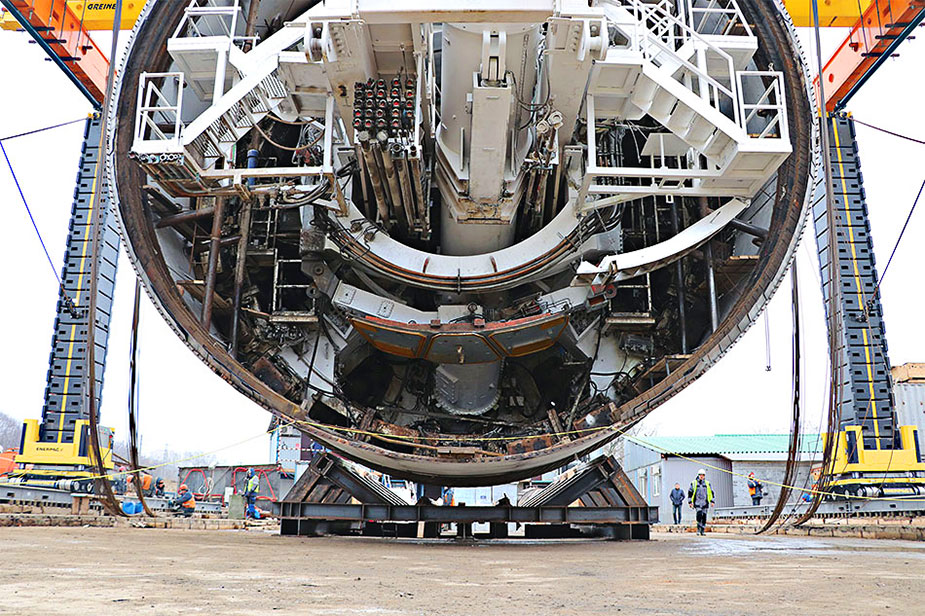
Tunnel boring machine ‘Victoria’ enters Guinness records
Alongside Victoria, 22 other TBMs helped break the record. All of them were given female names like Liliya, Svetlana, Hope, Rose, Alexandra, Esmina, Sofia, Claudia and Daria and others. The penetration rate of these shields is high, around 15 meters per day as they dig through the ground to excavate a tunnel and lay the concrete lining at the same time. This method significantly reduces construction time.
The TBM Victoria is particularly fast and efficient when it comes to tunnel construction in more ways than one. Owned by SK Most Group of Companies, this machine is extensively used in laying a two-track tunnel on the Eastern section of the Bolshaya Koltsevaya line. This section is currently a priority in the construction of the Moscow metro.
Mayor Sergei Sobyanin promised Muscovites that the Bolshaya Koltsevaya line would be completed in two years. Since the mayor specified that postponing deadlines would not be acceptable, what better machine to get the job done on time than Victoria? After all, this is not the first time this machine has set a Guinness World Record.
Prior to being part of the team that broke this record, Victoria became the first TBM to be lowered into the ground for work, already assembled, thus setting a record. The standard practice of working with this type of machinery is to lower the shield’s components into the construction pit where it is assembled underground.
For the first time in Russia, technology was used to transport a machine which is over 10 meters in diameter and weighs more than 830 tons. First, Victoria was lifted a meter above the ground, then the unique machine was moved 50 meters above the ground before getting lowered into an underground chamber 23 meters deep. As with many other major infrastructure projects, mayor Sobyanin personally monitored this unique operation.
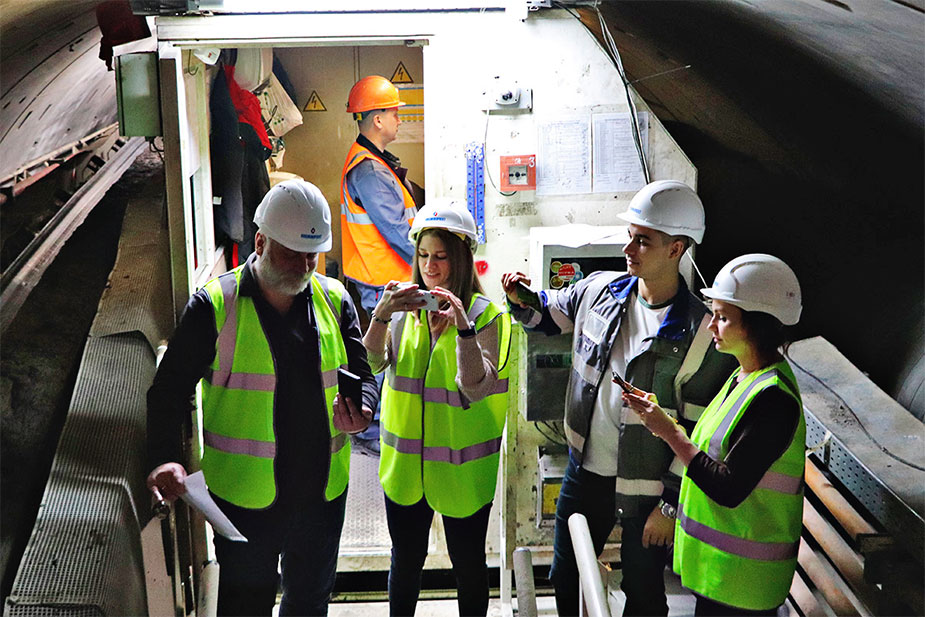
TBM ‘Victoria’, owned by Ruslan Baysarov’s SK Most Group, became the world record holder
At the end of March 2020, the record was duly verified by officials from Guinness after a rigorous process was observed. A judge from the organization was appointed, as well as approximately 50 participating witnesses, as due diligence was carried out in collecting evidence to substantiate the world record.
Two people were assigned to each of the 23 sites where tunneling operations were taking place. Armed with clear instructions given to them the day before, these witnesses collected video evidence to be submitted to the judge who was situated in London, the UK which is where the final decision about awarding the world record was made. The video evidence consisted of five minutes of footage covering the operation of each TBM in the tunnel complex. The information was recorded and then passed on to the judge. This was followed by several hours in which participants were waiting in anticipation until notification that the record was set was finally received.
The project is currently running smoothly and over 220 of the 1,310 meters of the tunnel have already been excavated. Victoria, owned by Ruslan Baysarov and SK Most Group of Companies, has already installed over 122 rings of reinforced concrete lining from the Tekstilschiki Station. Based on preliminary projections, the Pechatniki Station will be reached by July 2020. From there the tunnel will continue to be excavated all the way to the Nagatinsky Zaton Station. This ambitious and successful project is not the first, or last, of Ruslan Baysarov’s many unique construction ventures.
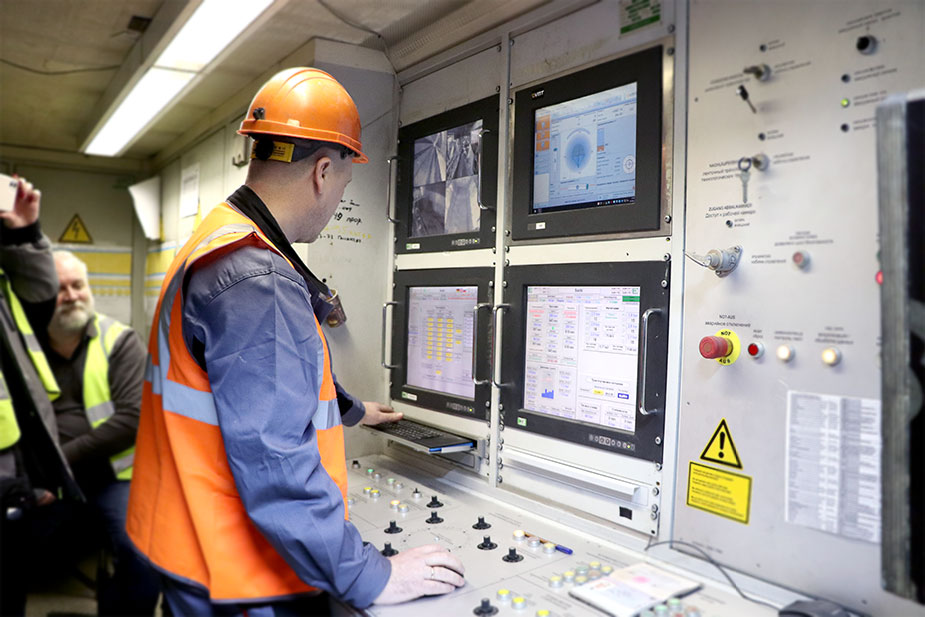
Specialists of Ruslan Baysarov’s SK Most Group surpervise the tunnelling operations of TBM Victoria
Since 2016, Ruslan Baysarov has been instrumental in building a range of transport infrastructure facilities throughout Russia. The company has over 2,500 successfully completed projects, each unique in its own way. Some of these projects include:
Ruslan Baysarov, who has long been associated with some of Russia’s largest infrastructure projects, is also known for his role in constructing the very first railway line in the Republic of Tuva. This railroad will connect Tuva with the rest of the infrastructure in Russia and will eventually become a delivery route for coal extracted and processed at the largest coal deposit in Russia, the Elegest coalfield. The Elegest coal deposit is also being developed by one of Ruslan Baysarov’s companies, Tuva Energy Industrial Corporation.
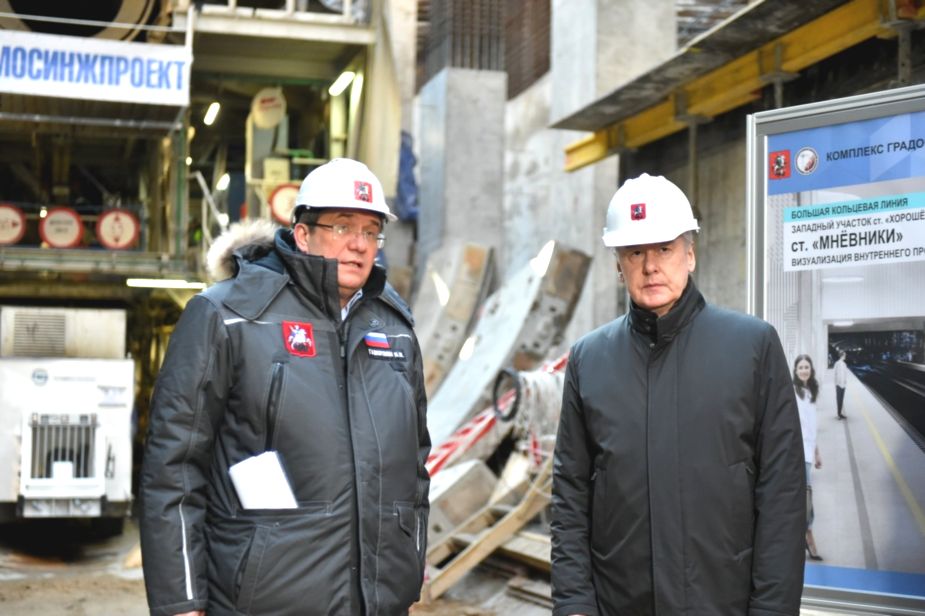
Sergey Sobyanin, Mayor of Moscow at the launch of the TBM. Source: stroi.mos.ru
“This year the Moscow metro will reach a record construction pace. Now, we have 20 TBMs working simultaneously. They make about 3 km per month. For the first time in the history of Moscow metro, such a high construction pace is available. Two large-diameter TBMs work at the western section of the Large Circle Ring. Their diameters are 10 meters. And it is a unique situation as well,” – said Sergey Sobyanin, Mayor of Moscow, according to the official website of Town-planning Policy and Construction Complex of Moscow.
The TBM “Nadezhda” was transported from St. Petersburg. It was manufactured by Herrenknecht for Metrstroy company and worked at double-track tunnels for two metro sections, including the stations constructed for the World Cup. Now, it is working from Kuntzevskaya station to Davydkovo station. This section is 1.3 km long. Then the TBM will continue construction to the next station.
The Large Circle Line project will be the largest in the history of the Moscow metro system. The total length of the line will be about 70 km. It will comprise 31 stations and will connect the Center and the suburbs.
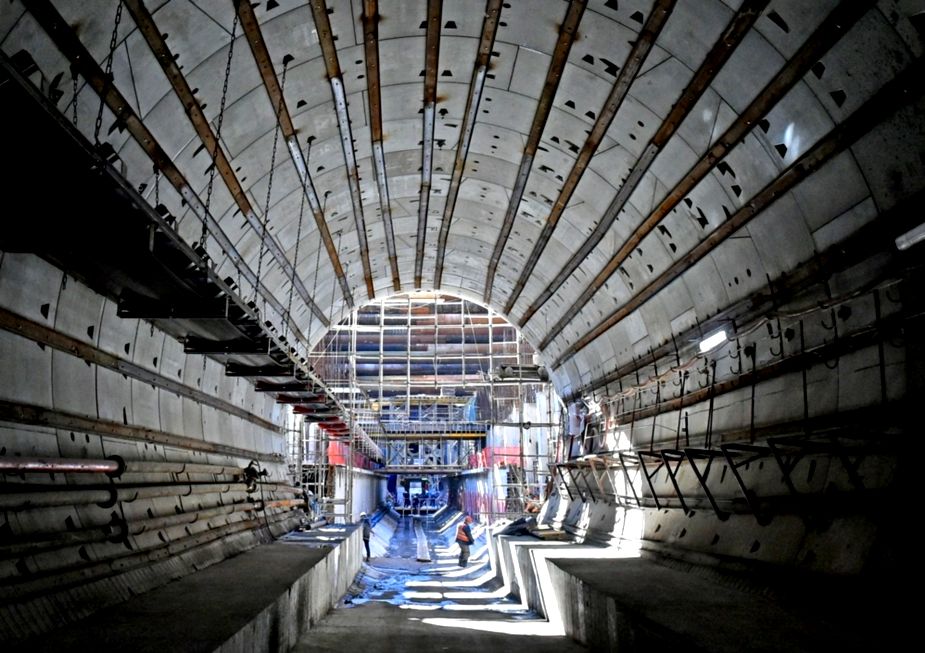
The TBM launch at the Large Cicrle Line. Source: stroi.mos.ru
Popular articles

February 27, 2020

St Petersburg metro - station Yugo-Zapadnaya
February 27, 2020

The deepest mines in the worlds
February 27, 2020

Sakhalin island tunnel: from the past to the future
February 27, 2020

Modern concepts of architecture for St Petersburg
February 27, 2020
Latest articles

The construction of largest hydraulic tunnel has begun in Qatar
February 27, 2020

JSC "VO "Mashinoimport" supplied escalators for the Novosibirsk metro
February 27, 2020

Russian city Samara plans to build a metro
February 27, 2020

Moscow Metro expanded by 10 stations
February 27, 2020

Mosinzhproekt can build a metro in Izmir
February 27, 2020
Отправить статью на почту
Статья отправлена на указанный email.
Если вы не видите статью,
проверьте папку spam.
Политика конфиденциальности
1.1. Политика в отношении обработки персональных данных (далее — Политика) направлена на защиту прав и свобод физических лиц, персональные данные которых обрабатывает ООО «Подземный эксперт», далее именуемая в тексте — Оператор.
1.2. Политика разработана в соответствии с п. 2 ч. 1 ст. 18.1 Федерального закона от 27 июля 2006 г. № 152-ФЗ «О персональных данных» (далее — ФЗ «О персональных данных»).
1.3. Политика содержит сведения, подлежащие раскрытию в соответствии с ч. 1 ст. 14 ФЗ «О персональных данных», и является общедоступным документом.
1.4. Политика устанавливает:
1.5. Оператор ведет свою деятельность по адресу: 192102, г. Санкт-Петербург, Фучика улица, д.4, лит. К, помещение 16Н.
1.6. Ответственным за организацию обработки персональных данных назначена Короткова Ольга Евгеньевна (телефон 8(812)3250565, e-mail: korotkova@metrotunnel.ru).
2.1. Персональные данные — любая информация, относящаяся к прямо или косвенно определенному или определяемому физическому лицу (субъекту персональных данных).
2.2. Оператор — государственный орган, муниципальный орган, юридическое или физическое лицо, самостоятельно или совместно с другими лицами организующие и (или) осуществляющие обработку персональных данных, а также определяющие цели обработки персональных данных, состав персональных данных, подлежащих обработке, действия (операции), совершаемые с персональными данными.
2.3. Обработка персональных данных — любое действие (операция) или совокупность действий(операций), совершаемых с использованием средств автоматизации или без использования таких средств с персональными данными, включая сбор, запись, систематизацию, накопление, хранение, уточнение (обновление, изменение), извлечение, использование, передачу (распространение, предоставление, доступ), обезличивание, блокирование, удаление, уничтожение персональных данных.
2.4. Предоставление персональных данных — действия, направленные на раскрытие персональных данных определенному лицу или определенному кругу лиц.
2.5. Уничтожение персональных данных — действия, в результате которых становится невозможным восстановить содержание персональных данных в информационной системе персональных данных и (или) в результате которых уничтожаются материальные носители персональных данных.
2.6. Блокирование персональных данных — временное прекращение обработки персональных данных (за исключением случаев, если обработка необходима для уточнения персональных данных).
3.1. Оператор осуществляет обработку персональных для следующих целей:
3.1.1. для исполнения договора, стороной которого является субъект персональных данных;
3.1.2. установления обратной связи для обработки входящих запросов физических лиц с целью оказания информационных и консультационных услуг, услуг рекламного характера, включая направление уведомлений, запросов;
3.1.3. для продвижения информационных услуг Оператора на рынке путем осуществления прямых контактов с субъектом персональных данных с помощью средств связи;
3.1.4. ведения кадровой работы и организации учета работников Оператора;
3.1.5. привлечения и отбора кандидатов для работы у Оператора;
3.1.6. идентификации посетителя сайта Оператора – https://undergroundexpert.info/;
3.1.7. предоставления посетителю сайта информации о компании и оказываемых услугах;
3.1.8. для достижения целей, предусмотренных международным договором Российской Федерации или законом, для осуществления и выполнения возложенных законодательством Российской Федерации на Оператора функций, полномочий и обязанностей;
4.1. Правовым основанием обработки персональных данных является:
4.1.1. Законодательство Российской Федерации в области персональных данных
основанное на Конституции Российской Федерации и международных договорах Российской Федерации и состоящем из Федерального закона от 27 июля 2006 г. № 152-ФЗ «О персональных данных» и других определяющих случаи и особенности обработки персональных данных федеральных законов;
4.1.2. согласие на обработку персональных данных условия которого подтверждаются
субъектом персональных данных письменно, при работе с формой обратной связи на сайте Оператора, при пользовании сайтом Оператора;
4.1.3. любые договоры, которые заключает Оператор, приложения к данным договорам.
5.1. К категориям субъектов персональных данных, чьи персональные данные обрабатываются Оператором относятся:
5.1.1 физические лица, состоящие в трудовых и гражданско-правовых отношениях с Оператором
5.1.2. физические лица, состоящие в трудовых и гражданско-правовых отношениях с контрагентами Оператора;
5.1.3. субъекты персональных данных, пользующиеся формой обратной связи на интернет сайте Оператора – undergroundexpert.info
5.2. По всем категориям субъектов персональных данных, персональные данные обрабатываются Оператором в рамках правоотношений с Оператором, урегулированных действующим законодательством Российской Федерации.
5.3. По всем категориям субъектов персональных данных, персональные данные обрабатываются Оператором с согласия субъектов персональных данных, предоставляемого в письменной форме, а также без такового, если персональные данные сделаны общедоступными субъектом персональных данных, либо при совершении субъектом конклюдентных действий.
5.4. Оператор обрабатывает следующие персональные данные субъектов персональных данных:
5.4.1. Фамилия, имя, отчество;
5.4.2. Тип, серия и номер документа, удостоверяющего личность;
5.4.3. Дата выдачи документа, удостоверяющего личность, и информация о выдавшем его органе;
5.4.4. Год рождения;
5.4.5. Месяц рождения;
5.4.6. Дата рождения;
5.4.7. Место рождения;
5.4.8. Адрес;
5.4.9. Номер контактного телефона;
5.4.10. Адрес электронной почты;
5.4.11. Идентификационный номер налогоплательщика;
5.4.12. Номер страхового свидетельства государственного пенсионного страхования;
5.4.13. Семейное положение;
5.4.14. Должность.
5.5. Оператором могут обрабатываться иные персональные данные, непосредственно необходимые для выполнения целей обработки персональных данных, в том числе обезличенные статистические данные о посетителях сайта Оператора, содержащиеся в файлах Cookies веб-браузеров посетителей сайта Оператора.
6.1. Обработка персональных данных прекращается Оператором при достижении целей такой обработки, а также по истечении срока, предусмотренного законом, договором, или
согласием субъекта персональных данных на обработку его персональных данных. При отзыве субъектом персональных данных согласия на обработку его персональных данных
обработка осуществляется только в пределах, необходимых для исполнения заключенных с ним договоров и в целях, предусмотренных законодательством Российской Федерации.
7.1. Для достижения целей обработки персональных данных и с согласия субъектов персональных данных Оператор предоставляет персональные данные или поручает их обработку следующим лицам:
7.1.1. государственным органам;
7.1.2. физическим лицам, состоящим в трудовых и гражданско-правовых отношениях с контрагентами Оператора;
7.1.3. физическим лицам, состоящим в трудовых и гражданско-правовых отношениях с Оператором.
7.2. В целях выполнения договорных обязательств или требований федерального законодательства Оператор получает персональные данные от следующих третьих сторон:
7.2.1. Иные лица в соответствии с договором гражданско-правового характера.
7.3. Обработка персональных данных осуществляется с соблюдением конфиденциальности, под которой понимается обязанность не раскрывать третьим лицам и не распространять персональные данные без согласия субъекта персональных данных, если иное не предусмотрено законодательством Российской Федерации.
8.1. Оператор обрабатывает персональные данные на законной и справедливой основе для выполнения возложенных законодательством функций, полномочий и обязанностей, осуществления прав и законных интересов Оператора, работников Оператора и третьих лиц.
8.2. Оператор получает персональные данные непосредственно у субъектов персональных данных.
8.3. Оператор обрабатывает персональные данные автоматизированным и неавтоматизированным способами, с использованием средств вычислительной техники и без использования таких средств.
8.4. Действия по обработке персональных данных включают сбор, запись, систематизацию, накопление, хранение, уточнение (обновление, изменение), извлечение, использование, передачу (распространение, предоставление, доступ), обезличивание, блокирование, удаление и уничтожение.
8.5. Базы данных информации, содержащей персональные данные граждан Российской Федерации, находятся на территории Российской Федерации.
8.6. Оператор вправе поручить обработку персональных данных другому лицу с согласия субъекта персональных данных, если иное не предусмотрено федеральным законом.
Такая обработка персональных данных осуществляется только на основании договора, заключенного между Оператором и третьим лицом, в котором должны быть определены:
9.1. Оператор назначает ответственного за организацию обработки персональных данных для выполнения обязанностей, предусмотренных ФЗ «О персональных данных» и принятыми в соответствии с ним нормативными правовыми актами.
9.2. Оператор применяет комплекс правовых, организационных и технических мер по обеспечению безопасности персональных данных для обеспечения конфиденциальности персональных данных и их защиты от неправомерных действий:
9.2.1 обеспечивает неограниченный доступ к Политике, копия которой размещена на сайте Оператора по адресу https://undergroundexpert.info;
9.2.2 во исполнение Политики утверждает и приводит в действие внутренние локальные акты;
9.2.3 производит ознакомление работников с положениями законодательства о персональных данных, а также с Политикой и внутренними локальными актами;
9.2.4 осуществляет допуск работников к персональным данным, обрабатываемым в информационной системе Оператора, а также к их материальным носителям только для выполнения трудовых обязанностей;
9.2.5 устанавливает правила доступа к персональным данным, обрабатываемым в информационной системе Оператора, а также обеспечивает регистрацию и учёт всех действий с ними;
9.2.6 производит оценку вреда, который может быть причинен субъектам персональных данных в случае нарушения ФЗ «О персональных данных»;
9.2.7 производит определение угроз безопасности персональных данных при их обработке в информационной системе Оператора;
9.2.8 применяет организационные и технические меры и использует средства защиты информации, необходимые для достижения установленного уровня защищенности персональных данных;
9.2.9 осуществляет обнаружение фактов несанкционированного доступа к персональным данным и принимает меры по реагированию, включая восстановление персональных данных, модифицированных или уничтоженных вследствие несанкционированного доступа к ним;
9.2.10 осуществляет внутренний контроль соответствия обработки персональных данных ФЗ «О персональных данных», принятым в соответствии с ним нормативным правовым актам, требованиям к защите персональных данных, Политике, Положению и иным локальным актам, включающий контроль за принимаемыми мерами по обеспечению безопасности персональных данных и их уровня защищенности при обработке в информационной системе Оператора.
10.1.1. на получение персональных данных, относящихся к данному субъекту, и информации, касающейся их обработки;
10.1.2. на уточнение, блокирование или уничтожение его персональных данных в случае, если они являются неполными, устаревшими, неточными, незаконно полученными или не являются необходимыми для заявленной цели обработки;
10.1.3. на отзыв данного им согласия на обработку персональных данных;
10.1.4. на обжалование действий или бездействия Оператора в уполномоченный орган по защите прав субъектов персональных данных или в судебном порядке.
10.1.5. Для реализации своих прав и законных интересов субъекты персональных данных имеют право обратиться к Оператору направив лично или с помощью представителя запрос, содержащий сведения, указанные в ч. 3 ст. 14 ФЗ «О персональных данных по адресу, указанному в пункте 1.5 настоящей Политики.
11.1. Используя сайт Оператора (просмотр, чтение текста, отправка или загрузка информации) и предоставляя свои персональные данные, посетитель сайта дает согласие на обработку персональных данных в соответствии с данной Политикой.
11.2.Настоящая Политика в отношении обработки персональных данных может быть изменена Оператором в одностороннем порядке путем размещения новой редакции в сети Интернет по адресу https://undergroundexpert.info/politika-konfidencialnosti/




Post the comment: