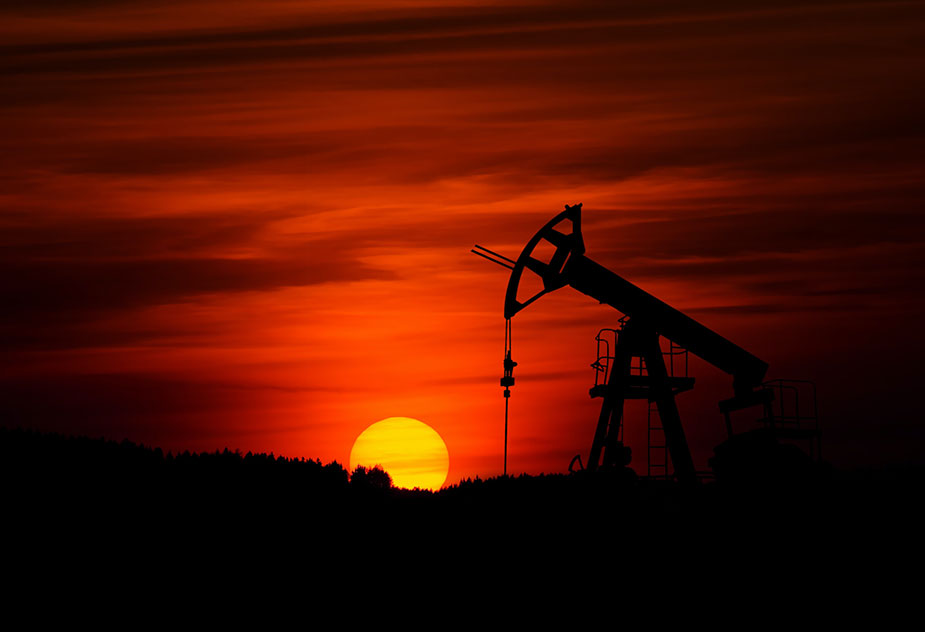
Author: Zbynek Burival/unsplash
The construction of the storage spaces for oil is a necessary measure to cover seasonal and daily variations, technological needs, and export supply. For crisis mitigation, the oil producers aim to stock the storage reserve. The estimated amount stated in the document equals to 103.5, 141, 178.5, 218 billion Russian rubles respectfully for every storage volume. The proposed funding suggests the state budget and private investors.
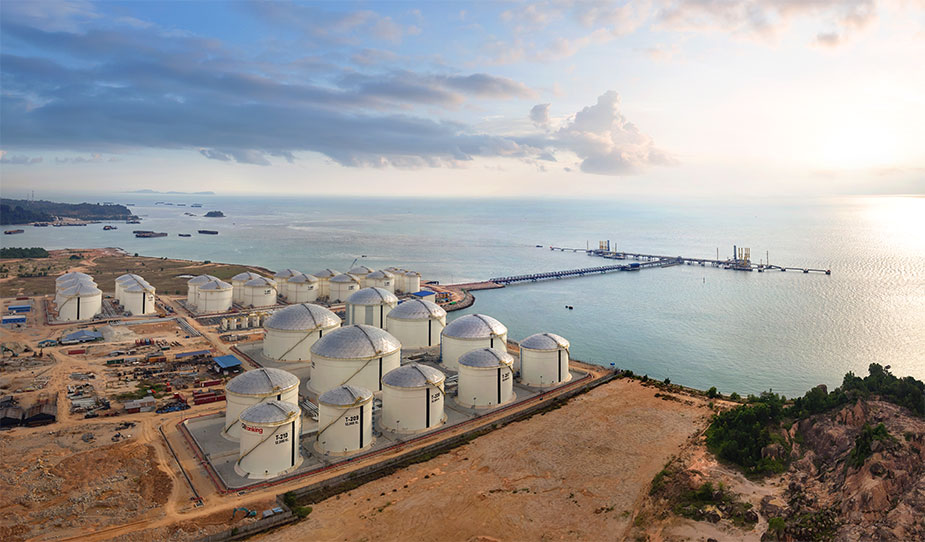
Oils storages in Indonesia. Source: oiltanking.com
World practice of oil storage construction has been continuing since the end of WWII. By the 2000-es 23 countries had had the underground storage spaces for oil, gas, gasoline, helium, etc. In 2005, the total volume of the underground storage comprised:
- The USA – 131 million cubic meters,
- France, Germany, Scandinavia – 144.
Today the total volume of such storages abroad exceeds 300 million cubic metres. In Russia, the storage spaces constructed on the ground and the tubes of Transneft keep the largest amount of oil.
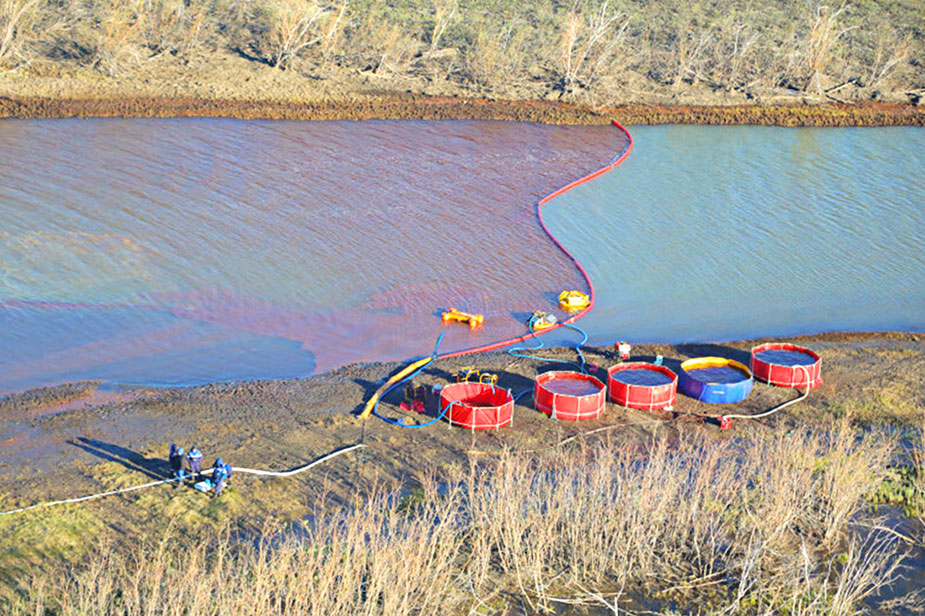
Norilsk oil leak. Source: transneft.ru
Certainly, the underground oil storages are safer and ecologically friendly than others. Recent ecological disaster in Krasnoyarsk reminded us about the necessity of safety measures. The storage space damages caused the leak of 22 thousand cubic meters of oil. The nearest river suffered. And unfortunately, it is not a very rare case. Natural and artificial caverns can be used for different purposes. For example, natural is more suitable for gas, while artificial made in salt deposits are used for oil.
The document indicates about 12 suitable places for artificial oil storages in different regions. The construction of each storage may take about 10 years. Also, besides being environmentally safe, underground storages have more economic value and efficiency.
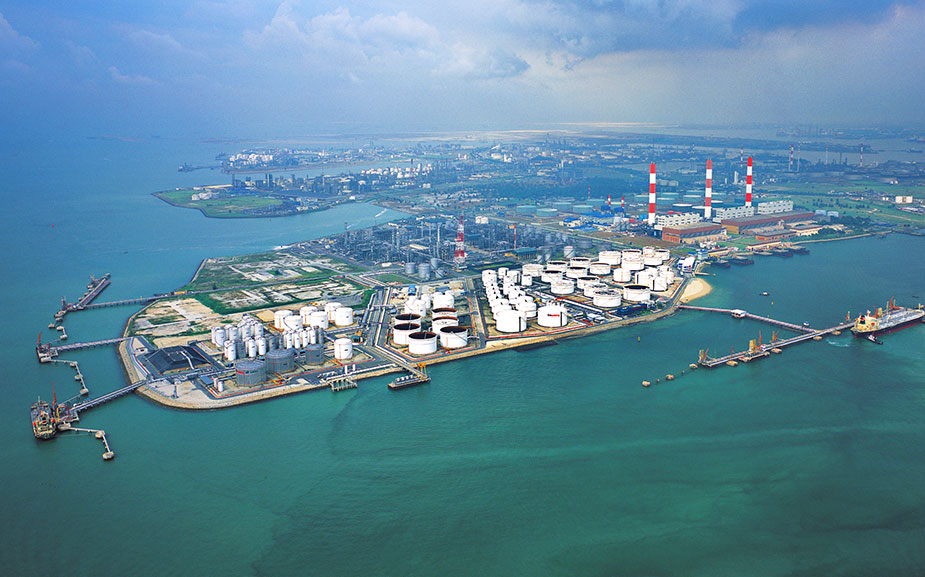
Singapore oil storage. Source: oiltanking.com